
Coping with Job Loss
Opportunities are around you; choose the ones that pick you up and carry you forward.

Opportunities are around you; choose the ones that pick you up and carry you forward.

There are a number of steps you can take to ensure you’re ready to return to work without putting your mental health at risk.

Coming out as a person who had been living with mental illness helped me not only find my voice but realize I always had one.
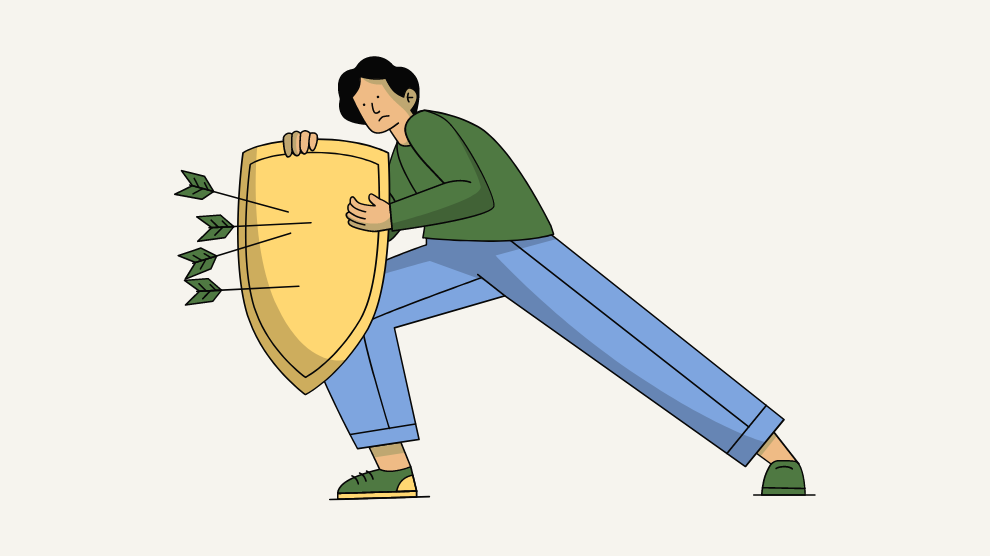
As I began to accept that recovering from depression did not mean outgrowing my support system, it became easier to fight.

Say no to fear. Embrace your imperfections, they make you who you are.
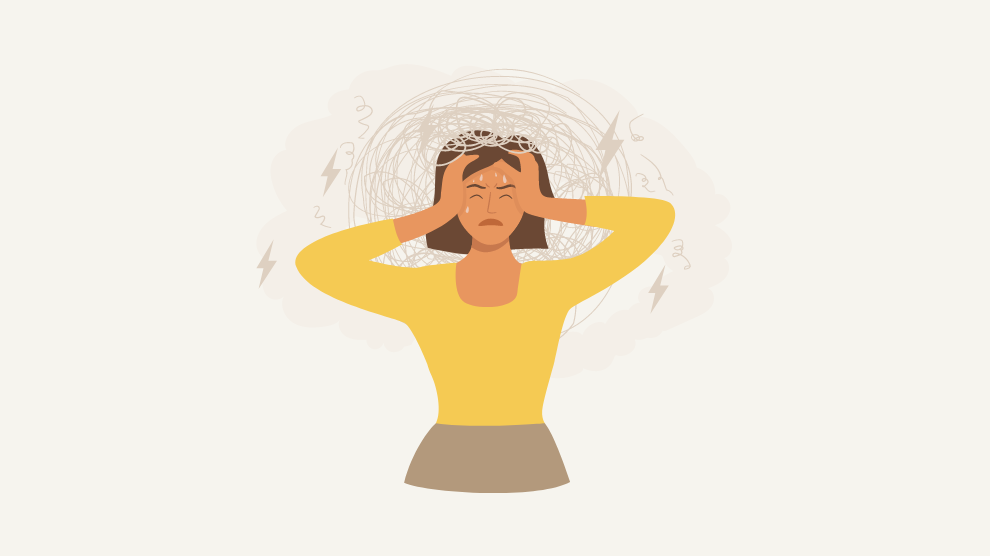
It’s important to be patient with yourself and remember even the smallest steps forward add up.
It has taken me a lot of time to begin to fully rearrange my priorities to actually make recovery my goal. It has been the most rewarding, life-giving, worthwhile battles I have ever engaged in.
How do I develop a healthy relationship with exercise? I’ve been on both sides of the spectrum – over exercising and not exercising at all. I’m currently not exercising because I hate it so much, but I know my body needs movement. What should I do?

I finally came to the realization that my eating habits had developed into Orthorexia, something that I had never heard of before. Soon after, I found social media and quickly became a part of a community of other fighters out there.

Here are some tips on how to stay motivated in your eating disorder recovery when you are struggling.
You are not starting over. You may have lost something. Or something may have happened to you. Or you may be feeling completely alone. But you did not lose everything else you did or had. You don’t have to go back in time and do it over again.
Here are my top five tricks that help motivate me again when I have lost my will to keep at it.
I no longer let my depression or anxiety influence my behavior. I no longer self harm or use other negative coping mechanisms. I no longer let my fear of food, my weight, or my appearance be reasons not to eat.
Your feelings won’t break you. People chip, but despite all the horrid things experienced, they do not shatter. We steadily continue on, turn up the tunes, and take comfort in moments of honest emotion.
We always say that “recovery is worth it”–and this is so true–but we must also not forget to follow it up with: and so are we.
There is hope that you will find control again, you can be forgiven, you will have a good day, you will eat and not hate yourself, you will conquer your fears, you will feel joy around others instead of isolation.
It’s no secret that recovery from an Eating Disorder is hard. And it hurts. A lot. It takes unimaginable amounts of strength, willpower, tears, and patience, among other things.
Awareness- and acceptance- that my disordered tendencies may very well forever lurk in the darkest corners of my mind has helped, rather than hurt, my recovery.
It’s important to remember most triggering statements from your doctor are usually said out of ignorance. Also, a triggering moment can provide you an opportunity to use your voice and possibly educate your doctor about eating disorders.
Although I may not be able to wake up tomorrow and be completely free from my eating disorder, I am proud to say I choose to be free from stigma and shame about it today.
Self-imposed stigma, less than outside stigma, emerges less from a diagnosis of mental illness and more from the symptoms of the disorder itself. In the pessimistic, guilt-based cognitive processes of someone with this illness, symptoms of depression look a lot like character flaws.

I was overwhelmed with love and support and compassion through texts and emails and phone calls and cards and care packages and baby snuggles and meals. My honest vulnerability with friends gave me exactly what I needed to enter into a life of recovery.

I believe secrets keep you sick. I have found this to be true time and time again. When I keep my secrets and am not honest about what I’m hiding, my symptoms are worse.
Practice living honestly through relapse and recovery so that you can continue finding your way to the full life that you so deserve.
It isn’t always easy, but being honest during our recovery benefits us greatly in the long run, even when it seems like it makes things more difficult in the present.
Here are five guidelines to help create that feeling and use exercise to safely and positively manage your stress.
Just as I do not want perfect recovery, I want real, sustained recovery. Both are messy and both take time, but that is why I say I am free from perfectionism.
Identity doesn’t come walking through the door in a posh suit, and it doesn’t carry anyone away. Instead, it is a blanket, and each person has the power, and the right, to decide what it will mean.
If you try to push grief away or get over it, you’re doing a disservice to yourself. Allow, allow, allow. Allow the pain, the sorrow, and the process and then allow the good things too.
I am warning against subconsciously accepting the messages of the new “cult of clean,”
and using food in a way it was never meant to be used. I am asking you to reflect on your attitudes towards food and the “evangelical” messages you receive from others, from a rational perspective, considering deeply before internalizing.
I have cultivated an army of empowering thoughts in my brain. I can now look at myself in the mirror and see just a body. I have a say in what I say about this human being staring back at me. I say I am beautiful, brave, and strong.
We are not helpless when it comes to our thoughts. We can develop the ability to choose them. How amazing is this? We actually have the power to change our lives for the better.
Treatment was the beginning of allowing myself to be vulnerable and tear down the walls that kept people out.

Changing the way we think by adopting a “solution-focused” storyline to guide our behaviour can be our first practice of positive self-talk!
I have found my anxiety lessens by maintaining healthy habits in my day-to-day life because I am preemptively taking care of myself and eliminating some anxiety triggers.
If you are in recovery from an eating disorder, exercise habits may be a tricky area to navigate. But just like eating, exercise is important because when practiced in moderation,