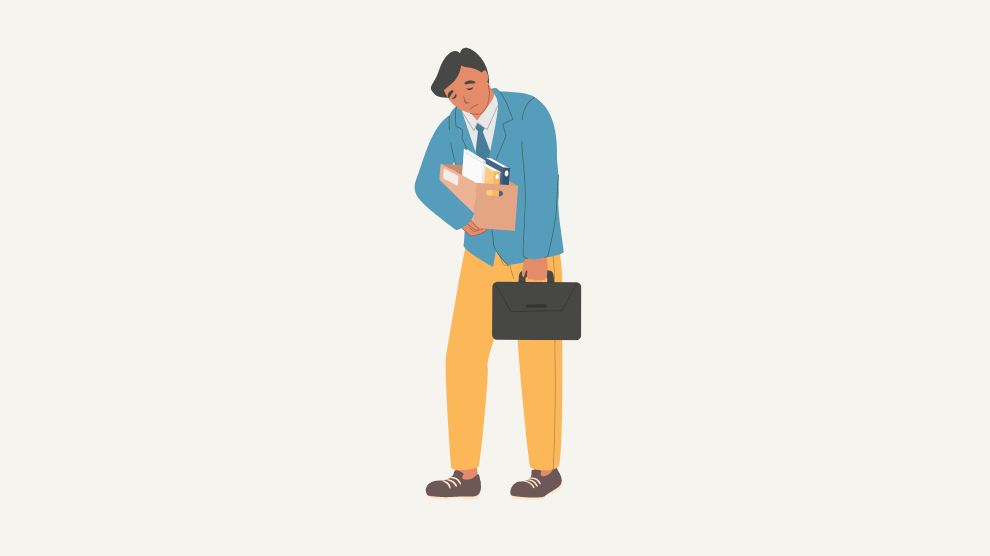
Coping with Job Loss
Opportunities are around you; choose the ones that pick you up and carry you forward.
Opportunities are around you; choose the ones that pick you up and carry you forward.
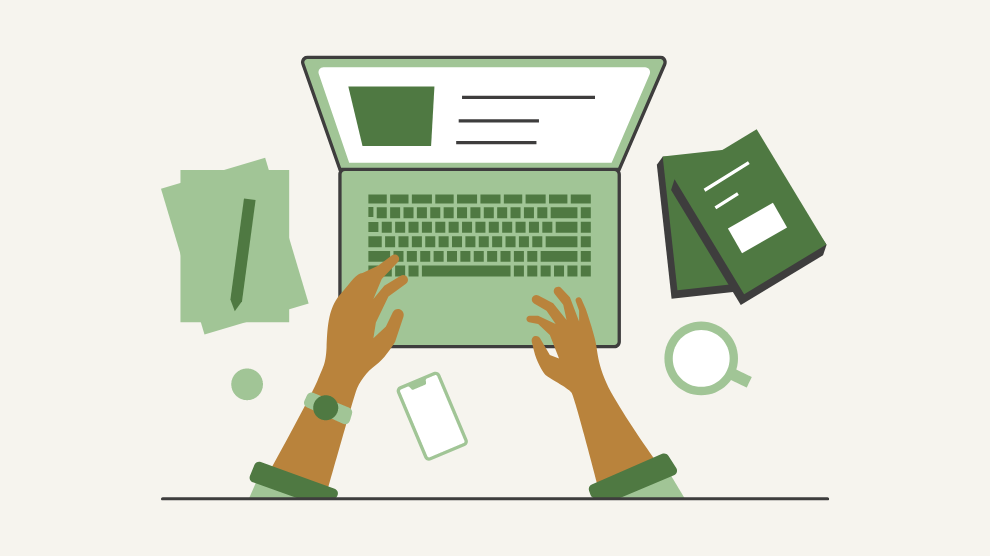
There are a number of steps you can take to ensure you’re ready to return to work without putting your mental health at risk.

Coming out as a person who had been living with mental illness helped me not only find my voice but realize I always had one.
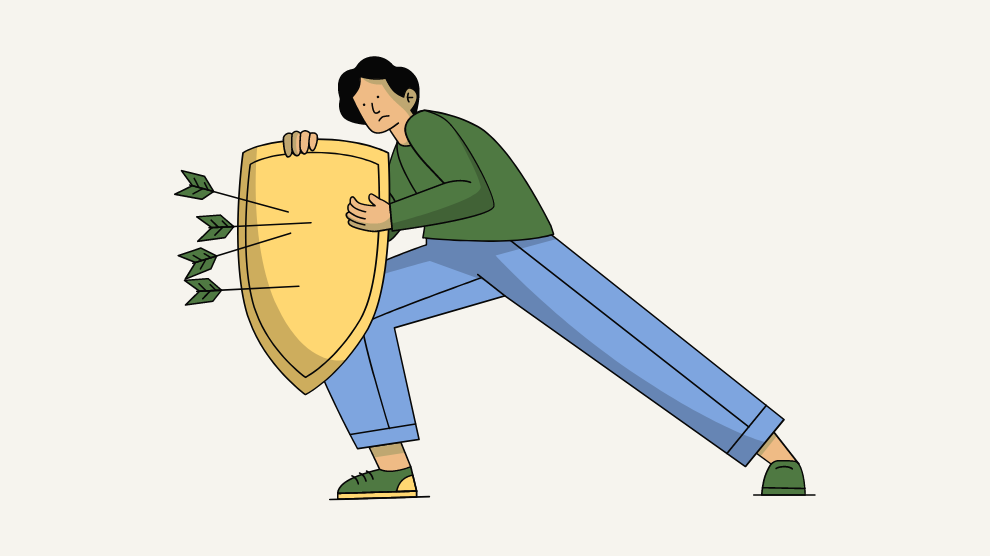
As I began to accept that recovering from depression did not mean outgrowing my support system, it became easier to fight.

Say no to fear. Embrace your imperfections, they make you who you are.
It’s important to be patient with yourself and remember even the smallest steps forward add up.
When I work with a client who has IBS, one thing I always want to work through with my clients is how the IBS could be related to the eating disorder.

While there are differences between them, both skin-picking and self-injury can be seen as ways that we are attempting to cope with a problem.
What you’re used to eating might look different right now, and that’s okay. Give yourself permission to eat less fresh foods, to eat more snack foods, and to be flexible at the grocery store.
I tend to suggest more gentle approaches before using the low FODMAP diet.
Whether it is acknowledged or not, transference is a part of therapy. A good therapist notices transference (and countertransference) and manages it carefully.
It’s important to keep in mind that “healthy eating” is very flexible, means different things for different people, and may mean something different for the same person depending on the day.
It’s often best if we can collect several resource ideas, then gently offer them and allow your adult child to make their own choice.
If we feel “fat” or “ugly” and try to boost our self-esteem by telling ourselves that we’re beautiful (physically) or concentrate on our appearance, we will always lose.
The most important thing to remember is that it is not really “you” that is feeling food anxiety, it’s your eating disorder because you’re challenging it.
First, make sure you have your recovery professional’s green light to start exercising again. You’ll also want to make sure you have a plan in place and have someone go with you to exercise.
The best treatment for Complex PTSD is the one that helps you, and a good therapist will share options and help you find the one that fits.
The topic of eating disorders and food intolerance seems to be coming up more and more with my clients, so I am sure your question will benefit many people!
As you probably know, it’s really tough these days to escape diet myths. Nutrition information is everywhere and much of it is a twisted form of the truth.
When work makes it difficult to maintain low stress and low anxiety, here are some things to try to prioritize a good mental health balance.
There are a lot of dietitians and therapists who have different specialties and navigating through them all can be daunting, but it can be done!
Do you have any tips on coping with the fatigue that comes with depression/mental health in order to lead an active life?
Answer: I can appreciate and understand how hunger signals can be really scary, but I take this as a good sign! It means your body is recovering from the ED.
If you are in recovery from an eating disorder and struggled with binging that led you to gain an unhealthy amount of weight, what is the best way to deal with the situation?
What do you tell people who have emerged from eating disorders then want to go into working with others in recovery?
Anonymous: What can I do to keep my depression from getting more intense during the winter?
How do I develop a healthy relationship with exercise? I’ve been on both sides of the spectrum – over exercising and not exercising at all. I’m currently not exercising because I hate it so much, but I know my body needs movement. What should I do?