
Coping with Job Loss
Opportunities are around you; choose the ones that pick you up and carry you forward.
Opportunities are around you; choose the ones that pick you up and carry you forward.

There are a number of steps you can take to ensure you’re ready to return to work without putting your mental health at risk.

Coming out as a person who had been living with mental illness helped me not only find my voice but realize I always had one.
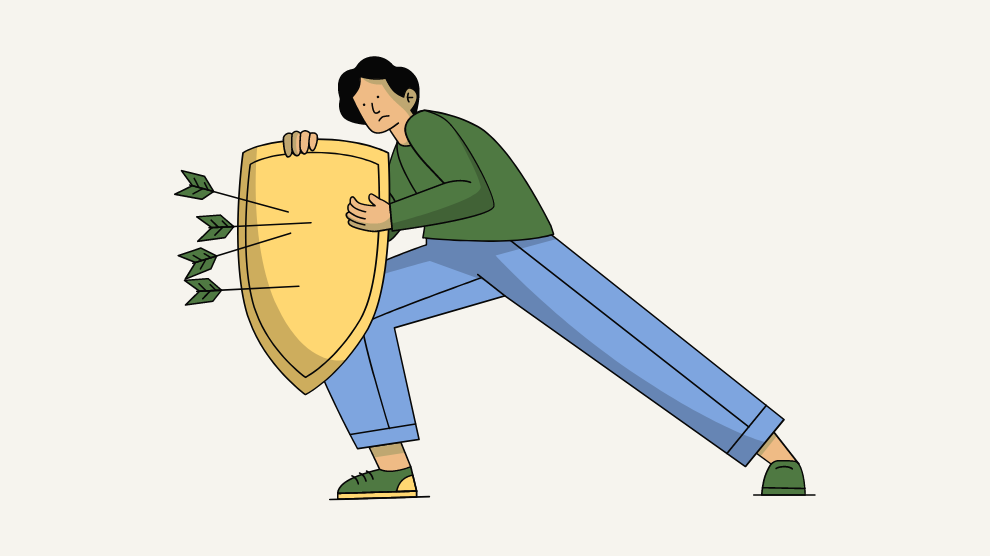
As I began to accept that recovering from depression did not mean outgrowing my support system, it became easier to fight.

Say no to fear. Embrace your imperfections, they make you who you are.
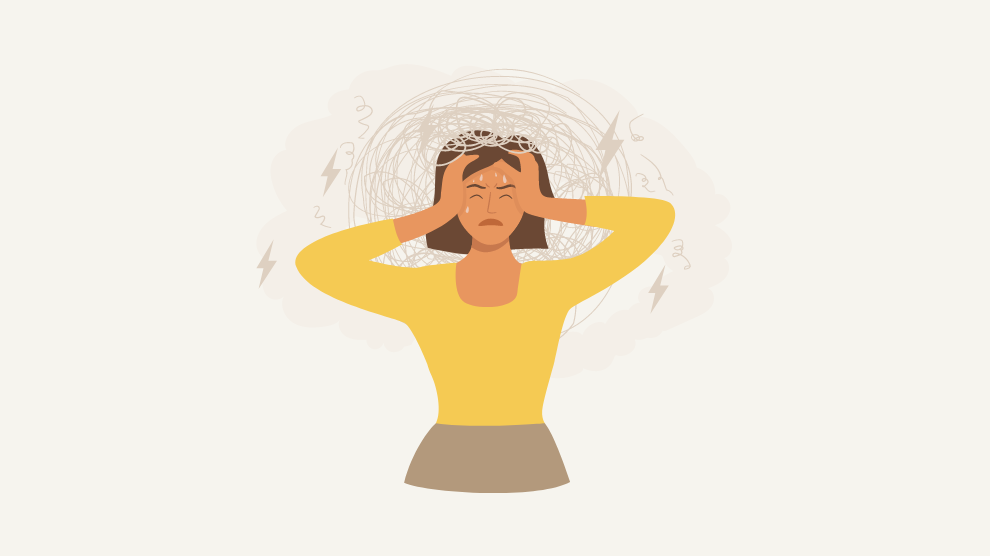
It’s important to be patient with yourself and remember even the smallest steps forward add up.
Regardless of the amount of actual physical change that might occur during the initial stages of recovery, chances are you are going to feel uncomfortable in your own skin and this is completely normal and to be expected.

Not only can survive and enjoy the holidays, we can also enjoy holiday foods without guilt.

No matter where you might be on your recovery journey, the holiday season always feels just a little more difficult than any other time of year.

So perhaps the girl in the magazine really does love kale salads and spinach smoothies — doesn’t mean I have to. What works for some might not work for others, and that’s okay.
Being triggered in the gym is pretty much a guarantee. Once in the state of stable recovery, exercise can be reintroduced, but it can be scary because of the multitude of triggers surrounding any fitness activity.
I’ve been down the thinness rabbit hole and must remind myself that it leads absolutely nowhere. My only goal now is to watch my thoughts as closely as I used to watch my weight.

Embracing self-compassion keeps triggering comments about my body from impacting my view of myself.
How do I develop a healthy relationship with exercise? I’ve been on both sides of the spectrum – over exercising and not exercising at all. I’m currently not exercising because I hate it so much, but I know my body needs movement. What should I do?

Here are some tips on how to stay motivated in your eating disorder recovery when you are struggling.
We always say that “recovery is worth it”–and this is so true–but we must also not forget to follow it up with: and so are we.
It’s no secret that recovery from an Eating Disorder is hard. And it hurts. A lot. It takes unimaginable amounts of strength, willpower, tears, and patience, among other things.
Awareness- and acceptance- that my disordered tendencies may very well forever lurk in the darkest corners of my mind has helped, rather than hurt, my recovery.
It’s important to remember most triggering statements from your doctor are usually said out of ignorance. Also, a triggering moment can provide you an opportunity to use your voice and possibly educate your doctor about eating disorders.
Practice living honestly through relapse and recovery so that you can continue finding your way to the full life that you so deserve.
It isn’t always easy, but being honest during our recovery benefits us greatly in the long run, even when it seems like it makes things more difficult in the present.
I am warning against subconsciously accepting the messages of the new “cult of clean,”
and using food in a way it was never meant to be used. I am asking you to reflect on your attitudes towards food and the “evangelical” messages you receive from others, from a rational perspective, considering deeply before internalizing.
I have cultivated an army of empowering thoughts in my brain. I can now look at myself in the mirror and see just a body. I have a say in what I say about this human being staring back at me. I say I am beautiful, brave, and strong.
If you are in recovery from an eating disorder, exercise habits may be a tricky area to navigate. But just like eating, exercise is important because when practiced in moderation,
Developing healthy habits can be tough for those of us recovering from disordered eating. When I finally swore off dieting and calorie counting years ago, I felt lost.
Developing healthy habits when it comes to time management is very valuable in life. Not only does it help you get things done in a timely manner, it also keeps you from getting overwhelmed and stressed.
Why is accountability so important in recovery from an eating disorder? Having a system in place to hold you accountable for your behaviors and actions is one of the most important things in recovery because it promotes honesty and progress.
The easiest way to do this is by recognizing you are prone to falling back into these behaviors and by not letting little slips go unnoticed. You’ve come a long way, no matter where you are on your journey towards recovery.
The transition into becoming was not without pain and struggle. But seeing who I allowed myself to grow into, I do not regret a minute of it. Unconditional self-love is worth it all, and I am deeply in love with this Jenna.
In reality, there is no difference between the amount of self-discipline and control needed to stick to intuitive eating and to stick to a diet.
This video explains the steps you need to take in order to safely add exercise back into your recovery and help prevent relapse.
Daily yoga was a regular part of my eating disorder treatment program. It was incorporated in order to provide patients with a mental outlet from the stress and anxieties of recovery.
This month’s topic is springing forward, and to me springing forward means leaving the past behind and getting on with my life. Spring is a time of awakening, of new life, and is the perfect time to move forward passed whatever is holding me back.
When I think of love and eating disorders, I think of one magical summer evening–and it wasn’t a romantic evening I spent with a significant
Who am I now that I do not define myself by my eating disorder? I am for the first time in a long time, happy. I am accomplished. And I am flawed, but that is fine with me because it is what makes me human.

Being accountable to ourselves means recovery, and recovery means life, freedom, self-love, and happiness.