
Coping with Job Loss
Opportunities are around you; choose the ones that pick you up and carry you forward.
Opportunities are around you; choose the ones that pick you up and carry you forward.
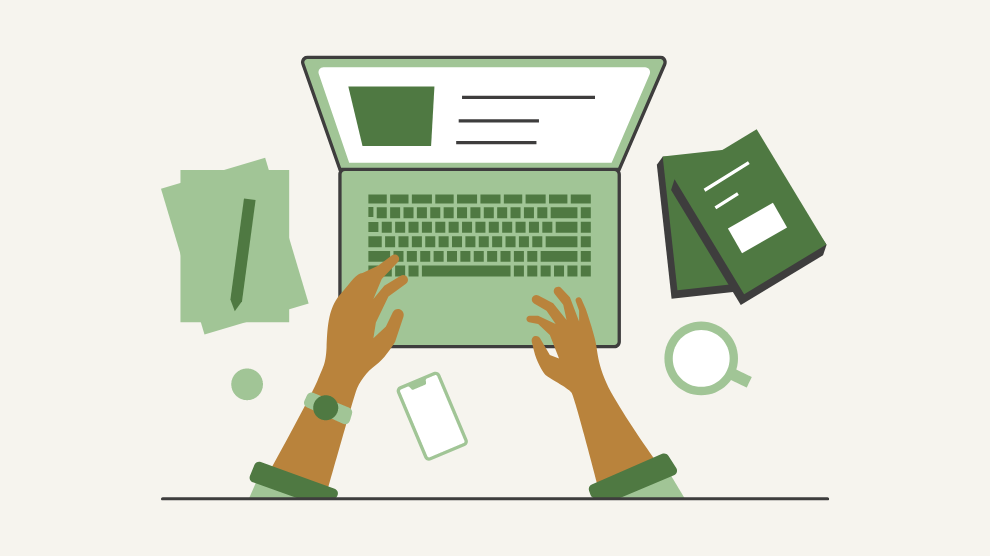
There are a number of steps you can take to ensure you’re ready to return to work without putting your mental health at risk.

Coming out as a person who had been living with mental illness helped me not only find my voice but realize I always had one.
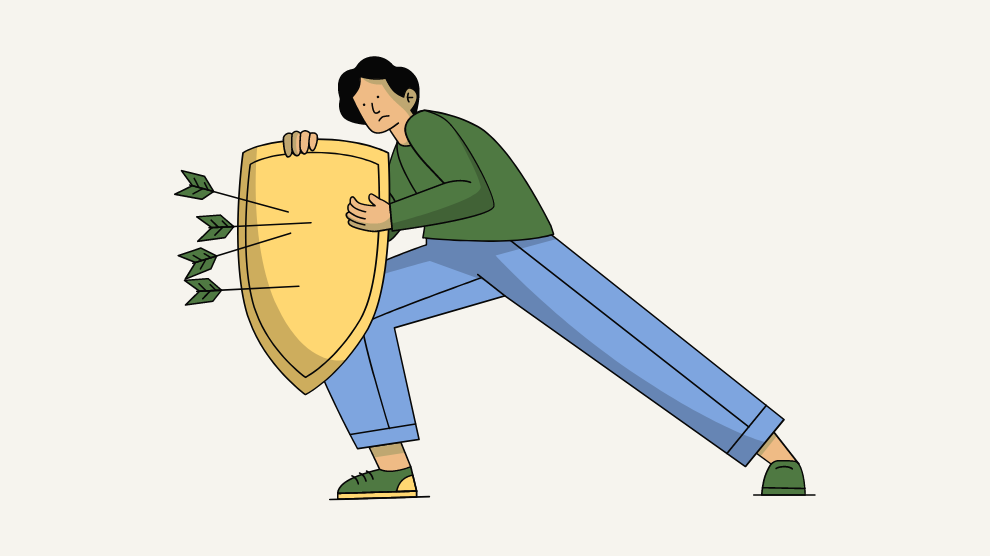
As I began to accept that recovering from depression did not mean outgrowing my support system, it became easier to fight.

Say no to fear. Embrace your imperfections, they make you who you are.
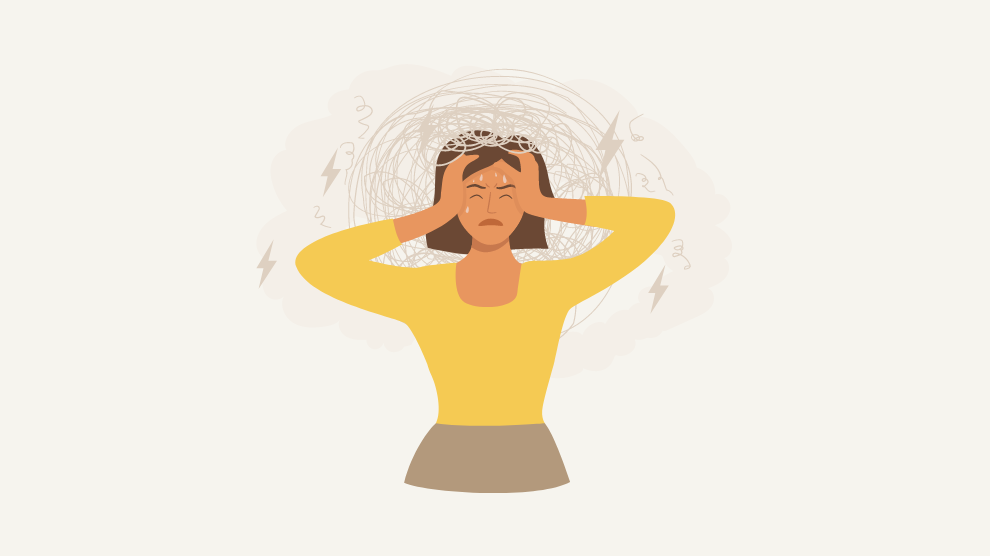
It’s important to be patient with yourself and remember even the smallest steps forward add up.

Finding our voice again can be difficult but it can also be a time of learning and growth. Recovery is a great opportunity for re-discovering yourself.

Expressing my emotions healthily allows me to voice my internal situation without using damaging behaviours.

This type of language–negative body talk–is meant to shame. It’s meant to silence. But we won’t let it. Body positivity is truly a radical movement.

Do you have any tips on coping with the fatigue that comes with depression/mental health in order to lead an active life?

When parts of your body normally covered by long sleeves and tights are marked with old or recent scars, there is an extra dimension to dressing for summer.

Summer doesn’t have to be about swimming-related activities and showing lots of skin. In fact, there are many outside-of-the-box activities free from pools.
Answer: I can appreciate and understand how hunger signals can be really scary, but I take this as a good sign! It means your body is recovering from the ED.
Summer is here and if you are new to the practice of intuitive eating, you may be freaking out about upcoming travelling. This video offers some tips.
When it comes to getting ready for swimsuit season, ignore the magazines, billboards, and ads that try to convince you you’re anything less than awesome.

The arrival of spring and summer are such promising ways to hold on to any progress made within recovery. It is also a great time to continue to take new steps forward, too. I am not a city girl, and nature and the outdoors are my haven.
I am beginning to make an intentional effort to fill up my life with moments of true community and contentment here.

My whole life revolved around the fabricated illusion we call the “fitness lifestyle.” At first, I thought my exercise addiction made me happy, but the fake happiness rapidly became exhaustion, accompanied by anger.

Finding the grace in your eating disorder and finding gratitude for all you have been given because of your eating disorder is a wonderful way to heal the feelings of loss and resentment.
Of course I would find the feeling of wanting to control what I eat comforting, at a time when I felt so out of control. Coping during times of transition can be extremely difficult. Routine and familiarity are often vital.

There is only your body: the same body you took your first steps in, laughed your first laugh, and loved your first love.
Pouring your heart out for every person is exhausting and an overload to your emotional switchboard. It is perfectly healthy to spend some time in hermit mode if it is productive and healing for your heart, mind, and body.
If you are in recovery from an eating disorder and struggled with binging that led you to gain an unhealthy amount of weight, what is the best way to deal with the situation?
Anyone who has stories of their own mental health issues, as well as a loved one’s mental health issues, has a voice. Sharing each story is both for your benefit and the people around you.
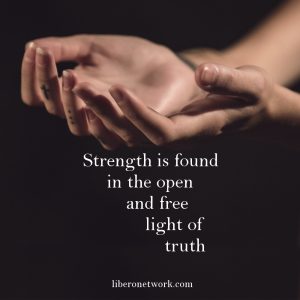
Unlike the other moments or seasons that can be hidden or denied, the scars from self-harm live on, even after we have recovered from those dark places. We can conceal or cover up them up, but the scars from self-harming cannot be erased, and sooner or later, they might be seen by someone new.
What do you tell people who have emerged from eating disorders then want to go into working with others in recovery?
While there is some truth in the stereotypes surrounding Obsessive Compulsive Disorder, it is an illness intricate beyond the façade of mismatched colors and a phobia of germs.
Your brain needs care just like any other part of you–just because you can’t physically see the damage, it doesn’t make it any less important. Medication is all part of the healing process.
I talk about obsession vs. commitment often in regards to exercise (watch my video here). Recently, however, I’ve been thinking a lot about how this relates to Intuitive Eating as well.
What I learned later from what he told me was loving myself unconditionally has set me free.
This week I learned the importance of keeping your fridge stocked. And no, I don’t mean just making sure there is food in it (though that is also important), I mean making sure there is a variety of food in it.
In today’s video, I talk about the three steps of forgiveness. Forgiveness is important for our relational health and our mental health as a whole.
I refuse to criticize myself anymore for not being an idealized, “perfect” version of myself. I treat myself the way I would any of my other friends because I know now it is what I deserve.
However it looks, it’s important to recognize that body-shaming is not personal. They are just words–brain-generated thoughts spewing on automatic.
Forgiveness is an important part of your recovery and of keeping a healthy mental state. The ability to move on from a hurt has a freeing affect on your mind.
When we are struggling with depression, our emotions begin to misfire.
Negative emotions become so predominate we begin to feel something is always wrong. Positive emotions become so absent we never feel satisfied and comfortable in the situation we are in.